
Sunshine, planning & conservation areas.
Essex is consistently one of the sunniest parts of the UK, and for most homes the planning rules work in your favour too.
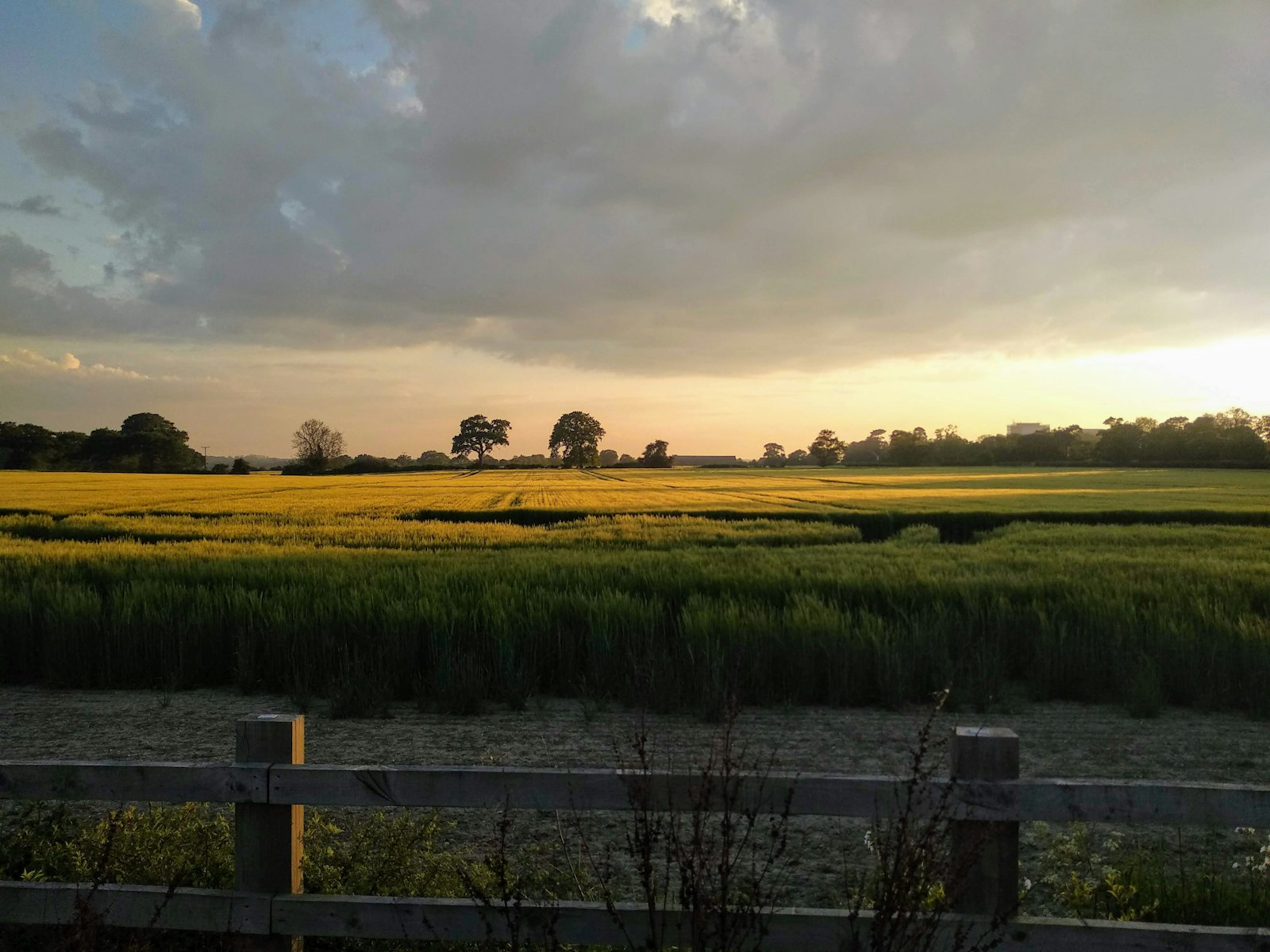
One of the sunniest counties in the UK.
How much a solar system generates depends heavily on how much sunshine a location actually gets. Shoeburyness, in Southend-on-Sea, has recorded 1,884 hours of average annual sunshine, among the highest totals recorded anywhere in the UK, and well above the UK-wide average of roughly 1,403 hours. The wider South East typically sees 1,400–1,600 hours a year, itself above the national average.
In practice, that means a solar system in Essex will generally produce more electricity, and pay itself back faster, than the same system installed in a less sunny part of the country. Your exact figures depend on roof orientation, pitch and shading, which is why every quote starts with a proper site survey rather than a desktop estimate.
Conservation areas and your roof.
Most homes in Essex fall under permitted development for solar panels, meaning no planning application is needed, provided panels don’t protrude more than 200mm from the roof plane or sit above the roof ridge. Essex has a number of conservation areas, including parts of Colchester, Chelmsford, Saffron Walden, Maldon and Thaxted. In these, panels on a roof slope that doesn’t face a public road are typically still permitted development, but panels visible from the road may need permission.
Essex also has over 14,000 listed buildings, concentrated particularly in Colchester, Chelmsford, Saffron Walden, Maldon and Thaxted. Installing solar on a listed building always counts as an alteration and needs listed building consent first, regardless of where the panels sit.
Conservation areas
Rear roof slopes not facing a public road are usually still permitted development.
Listed buildings
Always require listed building consent, even where otherwise permitted development.
Ground-mounted systems
Permission is needed if panels are over 4m tall, larger than 9m², or in a conservation area.
We check all of this as part of your survey, so you’ll know exactly where your property stands before any work begins.
Find out what your roof could generate
Free, no-obligation quote, including a planning check for your property.